Interviewed by Derek Foster • Article written directly from the recorded transcript using AI, editor-reviewed by Taylor Stone, and subject-verified.
Picture a town in Alaska of about 20,000 people with exactly one appliance repair technician. That’s the kind of story Andrew Wilkinson, Executive Director of National Trade Tech in Albany, NY, keeps hearing from state workforce officials.
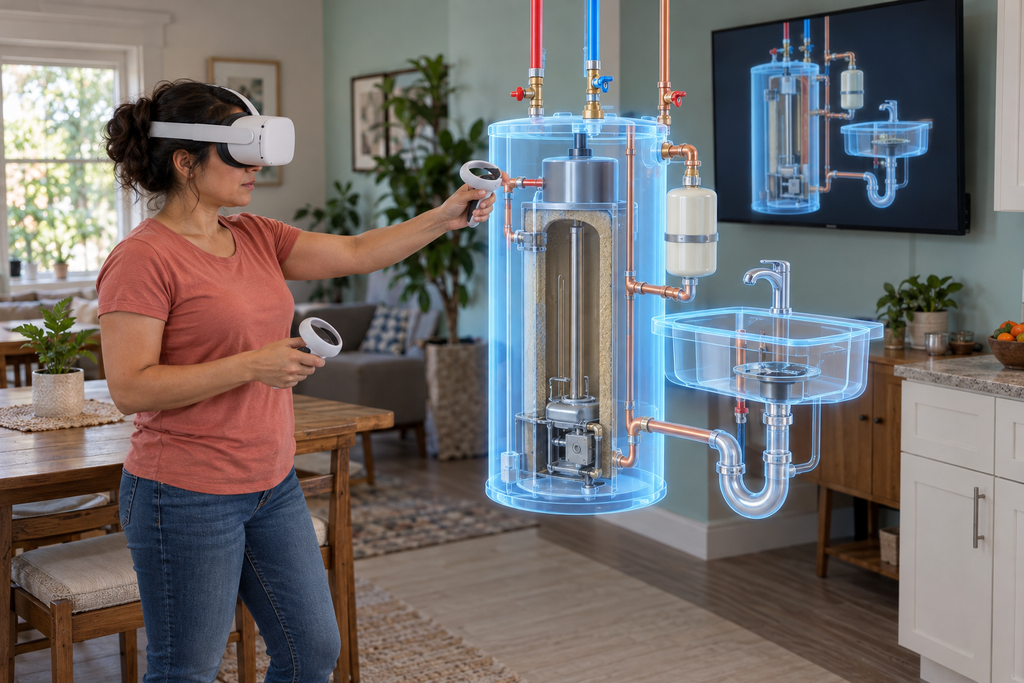
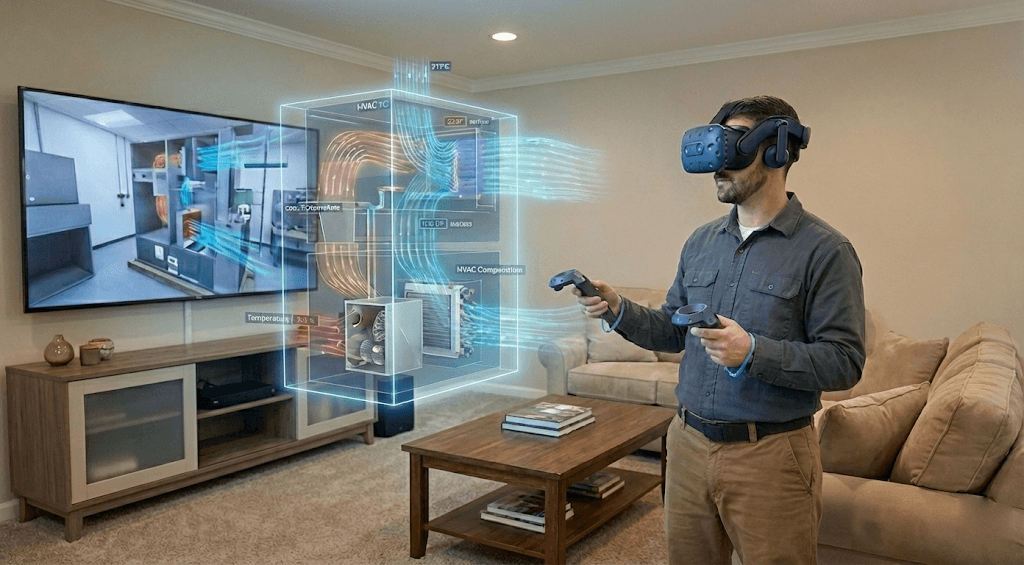
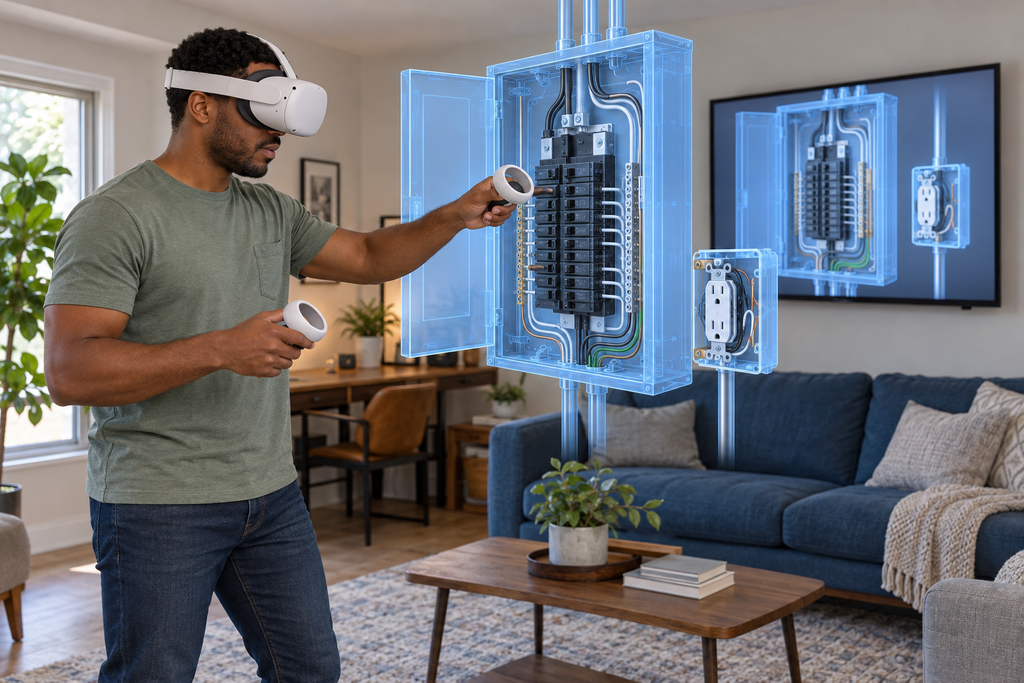
National Trade Tech is his answer: an online trade school that ships every student a laptop and a Meta Quest 3 virtual reality headset, then puts them to work on HVAC units, electrical circuits and broken appliances long before they reach a real customer’s door.
From Silicon Valley to the Skilled Trades
Wilkinson didn’t come up through the trades. He started as a Silicon Valley software engineer, worked at Microsoft and Cisco Systems, joined a couple of startups, and later moved into venture capital. He started National Trade Tech about 17 or 18 months before this conversation.
Two things pushed him there. His father was a tradesman, so he always respected the work. And he watched friends in office and tech jobs lose their positions, partly to automation, and struggle to find anything new. He talked to trade employers, trade schools, workforce officials, nonprofits and think tanks, and everyone pointed at the same shortage. He heard the average plumber in New Jersey is around 62 years old.
“There’s so much demand, and there’s just not nearly enough people going into these trades,” Wilkinson said. That includes young people and career changers in their 30s and 40s. “The demand is there, the jobs are there, the opportunity is there for anyone who wants to put in the work.”
National Trade Tech now works in about 22 states and wants to reach all 50. Electrical and HVAC are its most popular programs, and employers who find the website reach out every week or two asking about graduates in their area.
A Job Ticket, a Basement and a Multimeter
The VR isn’t a virtual lecture hall. A student puts on the headset and gets a scenario: the heat doesn’t work, or the air conditioning is out. They walk down to a fully rebuilt basement, take the cover off the HVAC unit, pick up a multimeter, and work the problem while the software guides them. Wilkinson called it “kind of like a video game.”
Each program has 15 or more simulations, and the instructions fade as students move through them. “Here’s your ticket,” as Wilkinson put it. “This house has an HVAC issue. Go figure it out.” Students have to “figure it out, fix it, do it safely, and you’ll be scored.”
VR developers build everything in-house with master tradespeople, and they update the simulations at least twice a year. When employers asked for more heat pump training, the team built it.
Programs run 3 to 6 months on the student’s own schedule, with live instructor support. They cover HVAC, electrical technician, plumbing technician, facilities and property maintenance technician, and appliance repair. HVAC students prepare for the EPA 608 Universal certification, needed to purchase, handle, and dispose of refrigerants, and some graduates have been hired on the spot. Starting pay averages in the low $20s an hour, Wilkinson said, and within a few years many are making $40 or more.
The Trade Nobody Thinks About, and the Skill That Matters Most
For anyone who wants to own a business fast, Wilkinson points to appliance repair. It’s low risk, it’s overlooked, and in smaller towns “you might have a natural monopoly.” His advice is practical: “If you’re in a more rural area, you can run some Google ads, and you’ll get business within a week.”
He doesn’t see AI replacing tradespeople any time soon. Instead, it becomes “a companion or advisor” on the job, helping a technician sort out an unfamiliar HVAC setup in 1 or 2 hours instead of 5 or 6.
Still, asked what young tradespeople should learn to get ahead, his answer wasn’t technology. “I think customer service skills are probably the number one.” Explaining a repair in plain English and gaining a customer’s trust works in any trade, which is why he often recommends Never Split the Difference by former FBI hostage negotiator Chris Voss as essential reading for mastering those communication and negotiation skills.
For first-time owners, his warning is about cash: “whatever you forecast, you’ll need double or triple it.” And on culture, he points to a Missouri owner with roughly 50 employees who takes his top performer to a high-end dinner every quarter. “It honestly doesn’t take as much as you think to really create that culture.”
For Andrew Wilkinson and National Trade Tech in Albany, NY, what’s next is a data center technician program, followed by solar technician training. “Honestly, you can’t really go wrong in this day and age with the trade,” he said. Employers and future students can book a call, email, or phone through the National Trade Tech website at nationaltradetech.com.
Related Articles